Pioneer Castroville Preservation
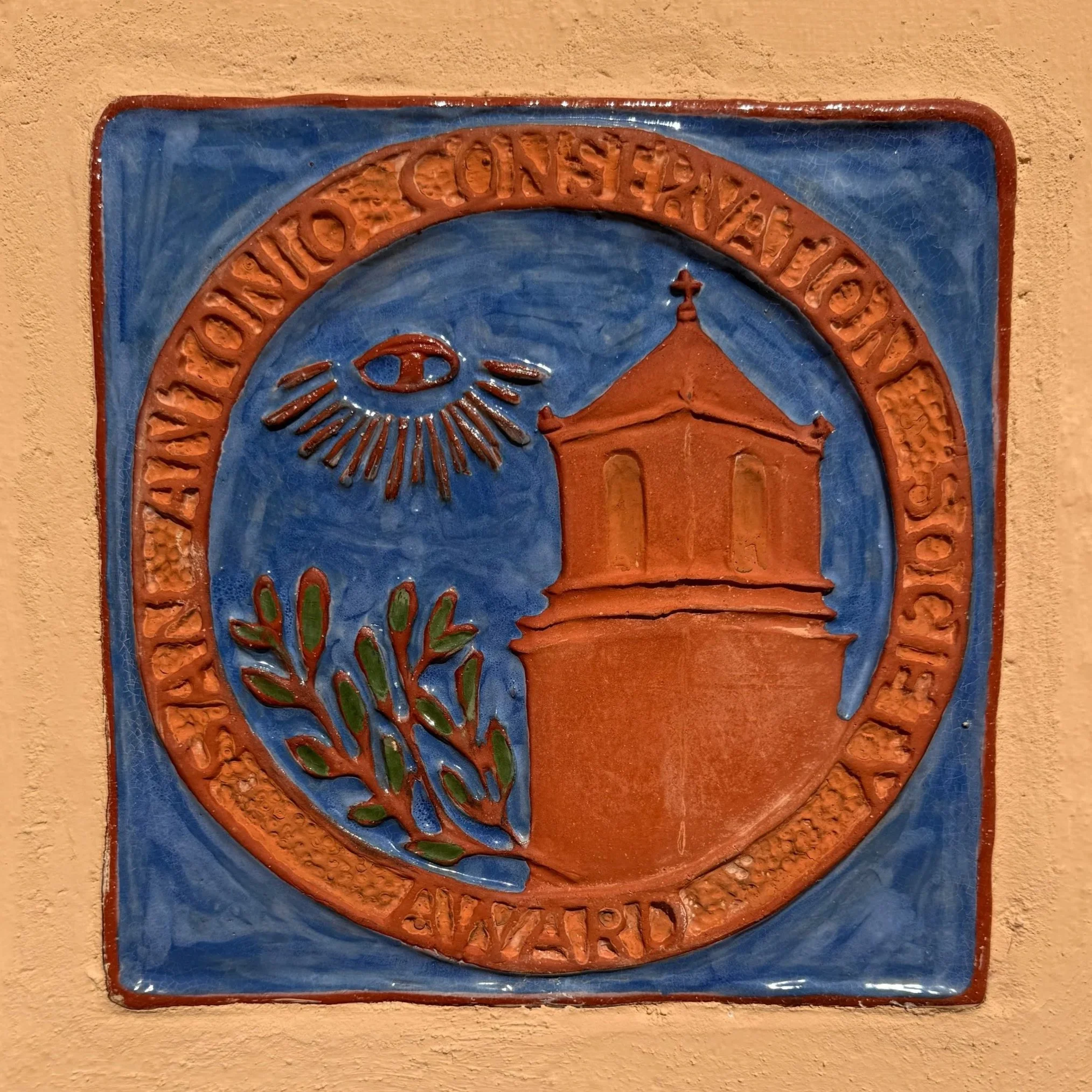
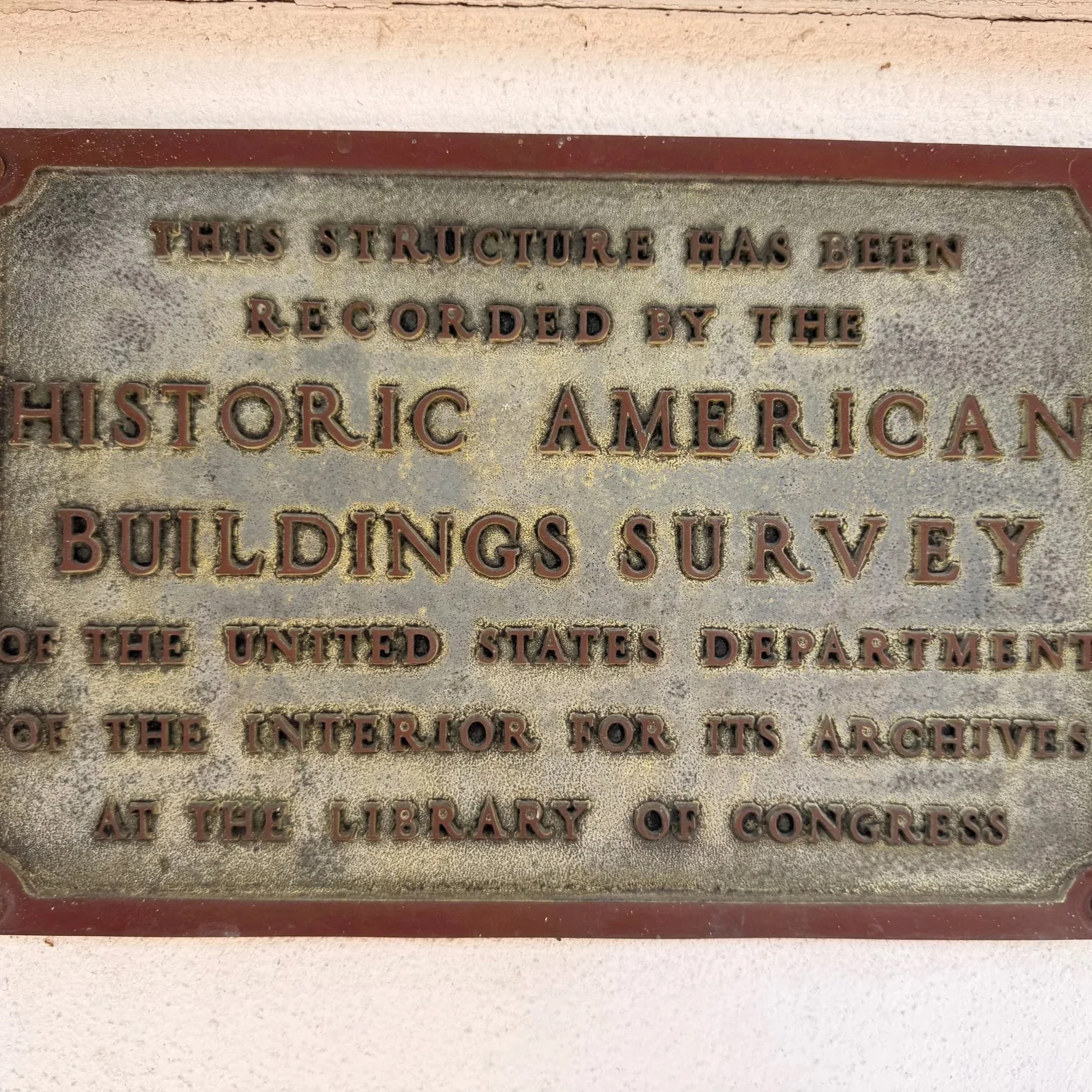
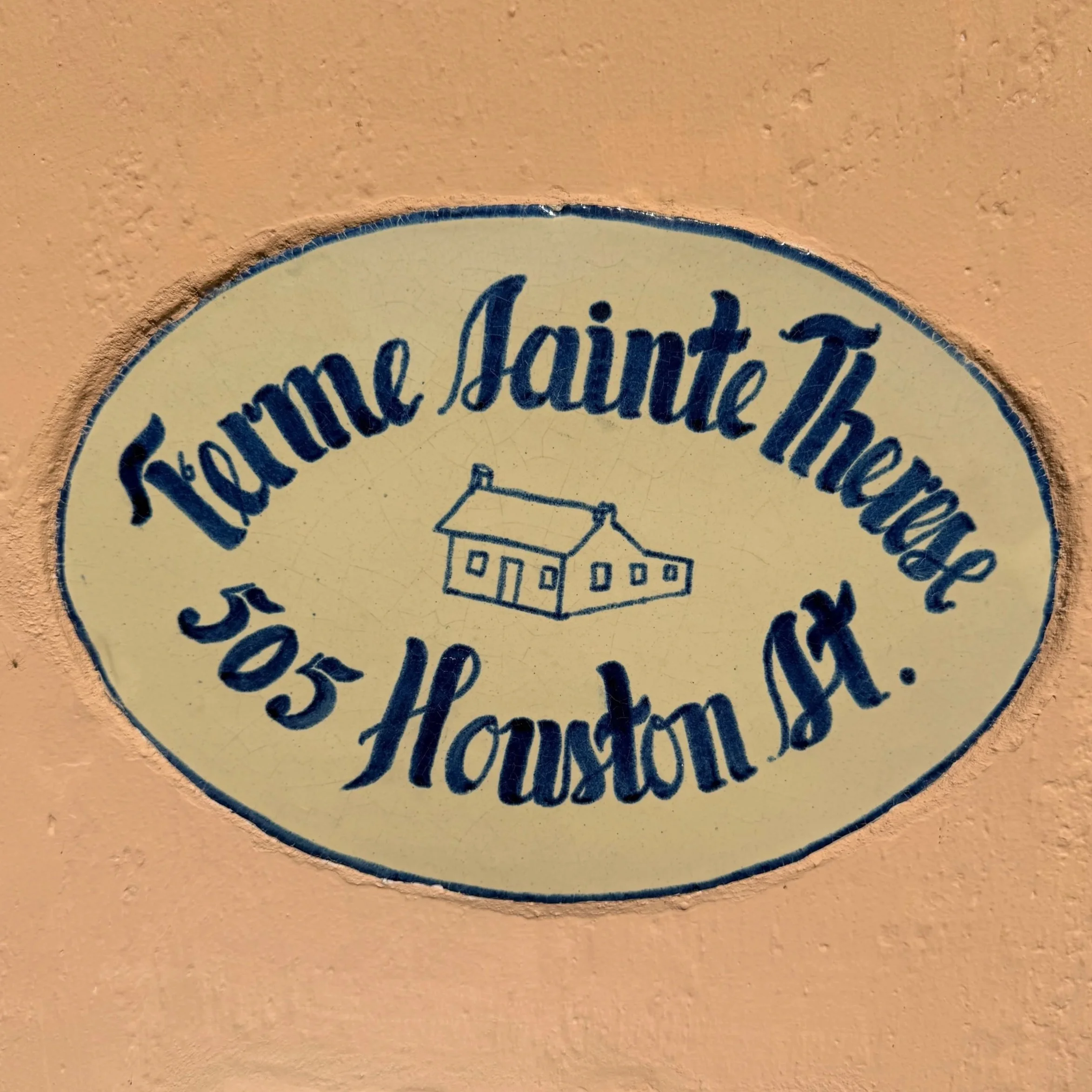
The Conflict and Development Foundation is based in Castroville, Texas. Part of our mission is to conserve our unique corner of Texas History through the preservation of pioneer structures throughout the town. The following homes are part of the collection and are made available for historical tours and educational interpretation through partnerships with local organizations in Castroville.
We encourage visitors to Castroville to make stops at the Castro Colonies Living History Center, the Landmark Inn State Historical Park, and the Steinbach House Visitor Center.
Castroville has a unique space in Texas history. During the years of the Republic of Texas, Castroville was the only community in the wild frontiers West of San Antonio to the border with Mexico. Upon its founding, San Antonio was nervous that the upstart Castroville settlement would compete for the trade routes to Mexico. Castroville is the only surviving French settlement in Texas. And because of geography, the railroads bypassed the town allowing much of the original pioneer structures to be preserved.
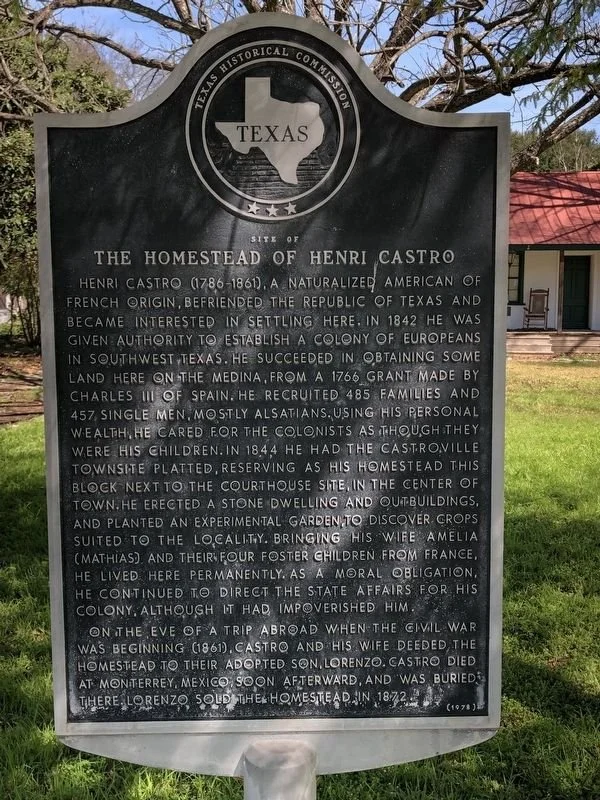
Castro Homestead
The Castro Homestead is part of the original property of Texas empresario Henri Castro, founder of the Castro Colonies of Medina County. The primary house served as the Castroville residence of Henri Castro and wife Amelia Mathias. There is also a side house that was originally on the street and served as a diner and bakery.
In modern times, the Castro Homestead served as the office of the great Texas Aggie, Sterling C. Evans where he managed his South Texas ranches. Evans owned the Castro Homestead up until his death at age 101.
The Castro Homestead is a registered landmark of the State of Texas and the Department of the Interior’s National Register of Historic Places.
Bippert-Kueck House
The Bippert-Kueck House was first constructed by Jacob and Mary Magdalena Bippert, who settled in the community with their seven children. Jacob Bippert bought one lot from Henri Castro for $1.00 and received a second lot in compensation for his masonry work on the Catholic Church. Rather than beginning as a large residence, it started as a very small, practical home: a single limestone room measuring about 7.5 by 21 feet, with plastered walls, a dirt floor, front and rear doors, paired windows, and a fireplace. All for 9 people.
The Bippert family sold the property to Henry J. Kueck for $180 in 1869 and the house was expanded shortly after. Those additions included a long hall and two rooms with fireplaces, changing the building from a one-room pioneer dwelling into a more substantial house while retaining its limestone-and-plaster character. Extensions continued to be added over the years. Over the years the home also served as a Methodist worship space and a funeral home.
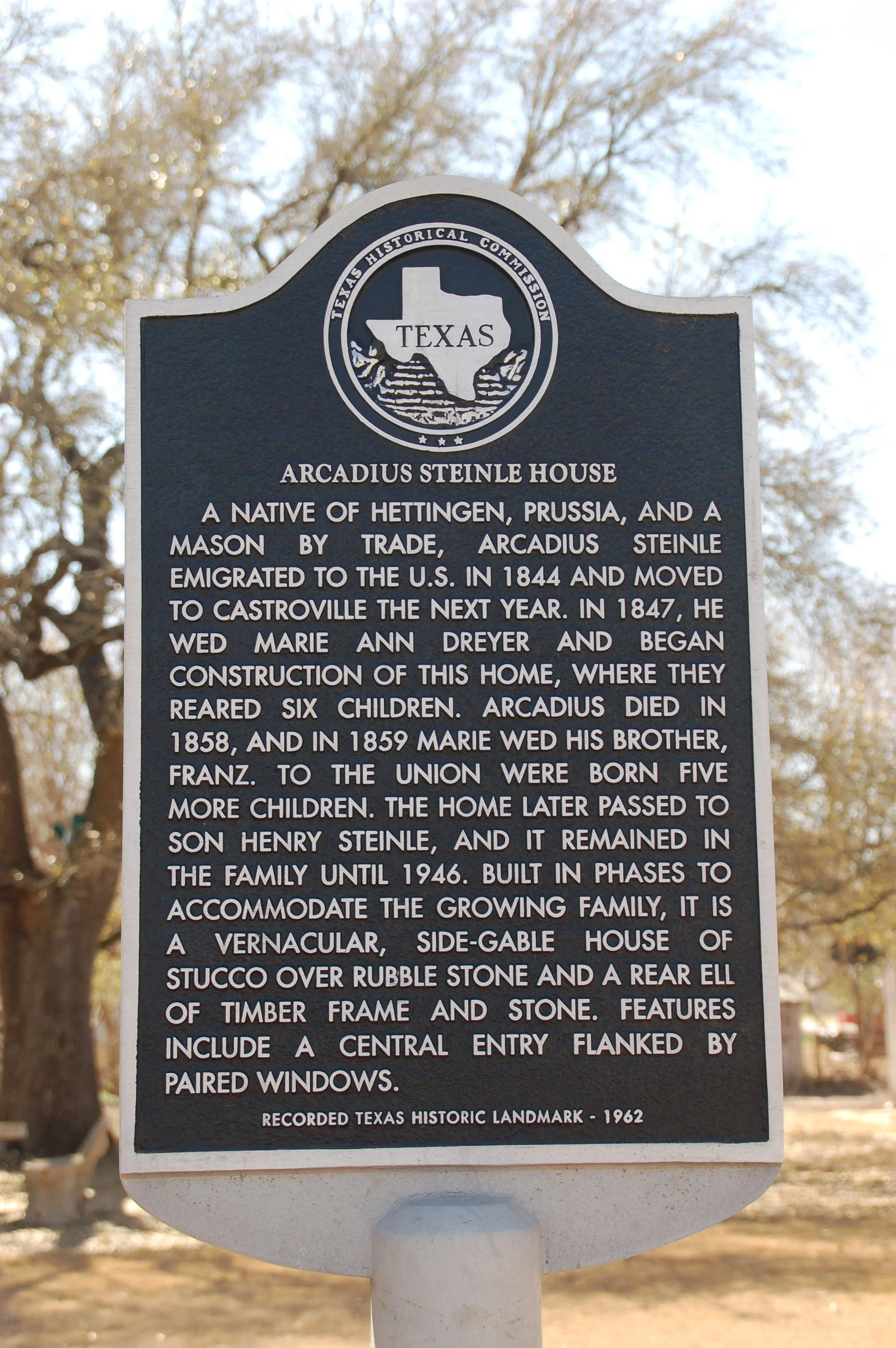
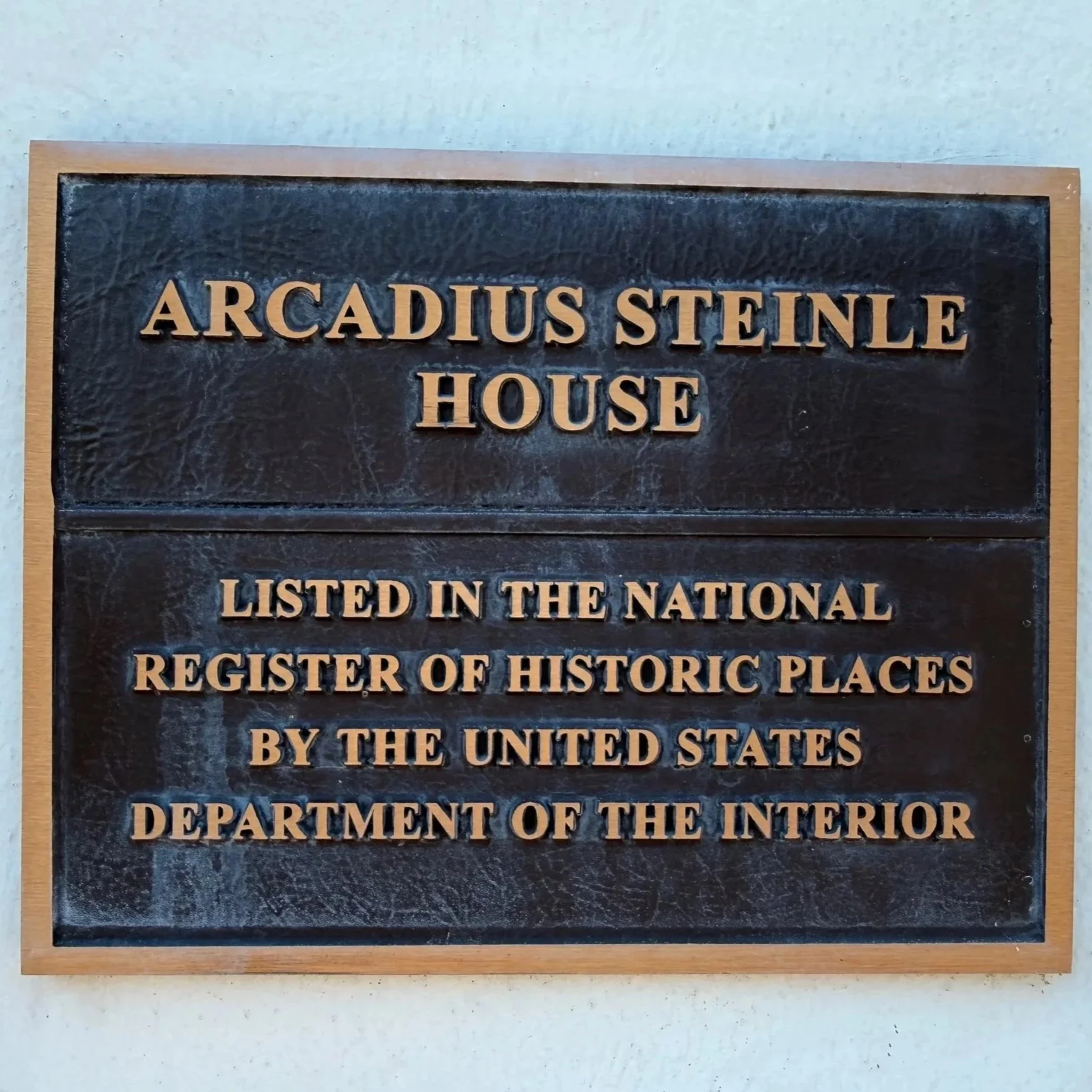
Arcadius Steinle House
The Steinle House was constructed in 1847 by Arcadius Steinle, a mason from Hettingen, Prussia. He married Marie Ann Dreyer in March 1847, purchased the Castroville lot from Henri Castro in August of that year, and began building the house later that year.
Arcadius and Marie Ann raised six children here. After Arcadius died in 1858, the property remained the family homestead. Marie Ann later married Arcadius’s brother, Franz Steinle, and five more children were born from that marriage. The home passed to Arcadius’s son Henry Steinle and stayed in the family until 1946. Architecturally, the house was built in phases and is described as a vernacular side-gable dwelling of stucco over rubble stone, with a rear ell of timber frame and stone and a central entry flanked by paired windows.
Its relevance lies in how much of the property’s working layout survived. Most of the original architecture is intact. The arrangement makes the Steinle House especially useful for understanding the built form of an early Castroville pioneer home.
The Steinle House is listed in the National Register of Historic Places.